
I expected to drive home with pages of notes and a head full of ideas from incredible speakers. And I did.
What I didn’t expect was to leave thinking about snacks. But as I made my way home after two days at the Missouri Chamber of Commerce Women in Leadership Conference, I glanced at the adorable little charcuterie box in my passenger seat, and I realized that these snacks represented something much bigger: real leadership often looks invisible. And that’s by design.
As someone who spends every day helping business owners build better financial systems, I couldn’t help but notice all of the thoughtful systems working quietly in the background of the conference. And, you know, that’s what truly great leadership looks like. It’s a system of strategies that empower others to grow and develop their skills in ways that they otherwise could not. Instead of being loud or boastful, the best leadership is deliberate, thoughtful, and authentic.
The WIL conference taught us many similar systems, and included inspiring speakers, thought-provoking workshops, fun networking events, and lots of luxurious creature comforts. But, for this girl, the atmosphere itself was a brilliant study of leadership in action, and the snacks were only one part of it. Here’s what I learned.
1. Leadership Means Removing Friction
One thing that stood out immediately was how intentionally the conference was designed.
Breakfast, lunch, and dinner were provided. Every break included the aforementioned snacks, and we even left with those beautifully prepared charcuterie boxes for the drive home. There was a choice between two workshops instead of dozens, and the schedule was clear and organized. And the venue was more than convenient – once you parked your car, you didn’t need it.
To the naked eye, those details might seem like simple Missouri hospitality. But I think every thoughtful item accomplished something much more meaningful than that.
They removed dozens of tiny decisions from everyone’s day. They relieved the mental load and checklists that often come with attending a conference. They made it effortless.
In other words, nobody had to wonder where to eat or how to get around Branson Landing, or whether there would be time between sessions to check in and out of the Hilton. Instead, we could devote our attention to learning, networking, and being fully present.
That’s leadership.
Great leaders remove unnecessary friction so people can focus on what matters most in the moment. They anticipate needs before they arise, and they meet them.
2. Excellence Lives in the Details
Conferences don’t feel this effortless by accident. In fact, just organizing a conference is a monumental task to accomplish.
So I know that every smooth transition, every welcoming introduction, every perfectly timed break, and every thoughtful touch was the result of countless hours of planning by people who may probably never receive enough credit. The Missouri Chamber of Commerce and Industry deserves recognition for the incredible investment made in every lady in attendance this week.
Kara Corches did an outstanding job welcoming everyone, moderating discussions, and keeping the conference moving seamlessly, and Crystal Narr was instrumental in organizing an event that felt polished from beginning to end. With them was an entire team of people all giving 110% to the event, and it showed.
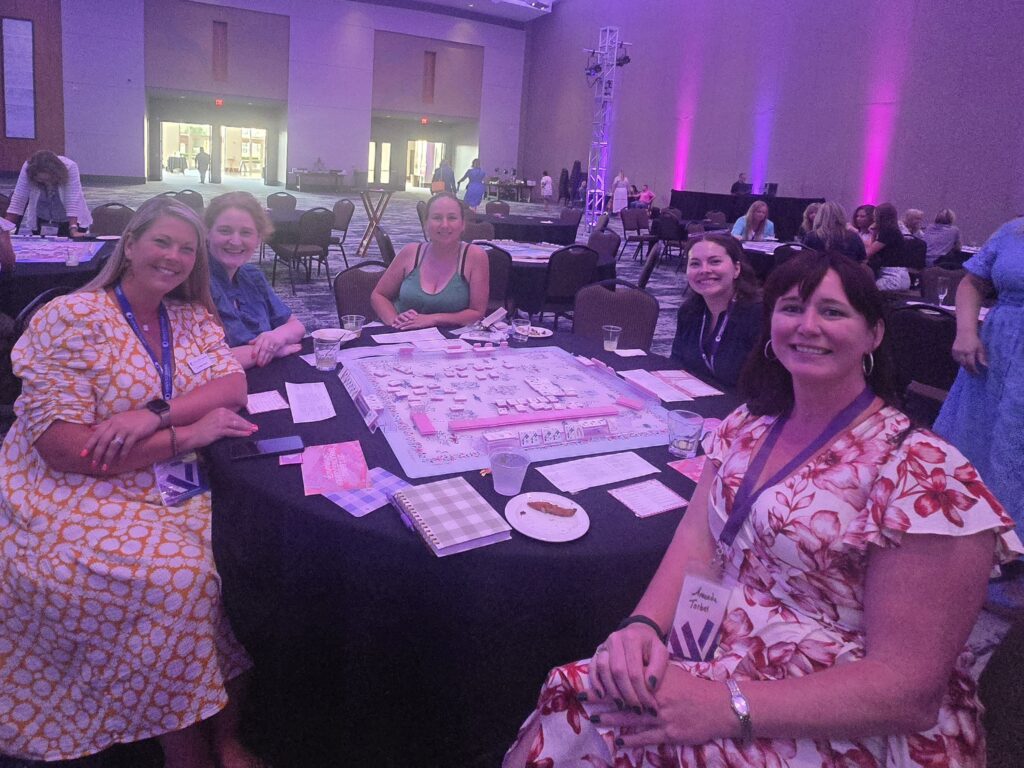
One of my favorite surprises was learning to play Mahjong for the very first time. Sitting around a table with women I’d just met, laughing as we all tried to learn this wonderfully complicated game together, made it so easy to start conversations and build new friendships. Grace Mauzy of Jeff City Mahjong somehow managed to teach a room full of beginners with such patience that I left feeling accomplished and looking forward to finding a game in Springfield.
The whole experience reminded me that excellence isn’t usually created by one grand gesture.
It’s created by hundreds of thoughtful decisions that most people never even notice.
3. Great Leaders Keep Learning
One of my favorite sessions was Elizabeth Haberberger’s presentation, Negotiating Like a Leader.
Elizabeth is with Dale Carnegie Missouri, and her message challenged us to negotiate a little differently in our lives, and in our businesses. As women, we often approach negotiation from a place of emotion instead of logic. This often leads us to misplace value.
Three ideas especially stayed with me:
- Provide value to everyone involved.
- Use an Accusation Audit to address concerns before they’re voiced.
- Practice Labels and Mirrors to better understand the other person’s perspective.
Those aren’t just negotiation techniques.
They’re communication skills that build stronger relationships, whether you’re leading a business, serving clients, or working with a team.
4. Leadership Is Stronger Together
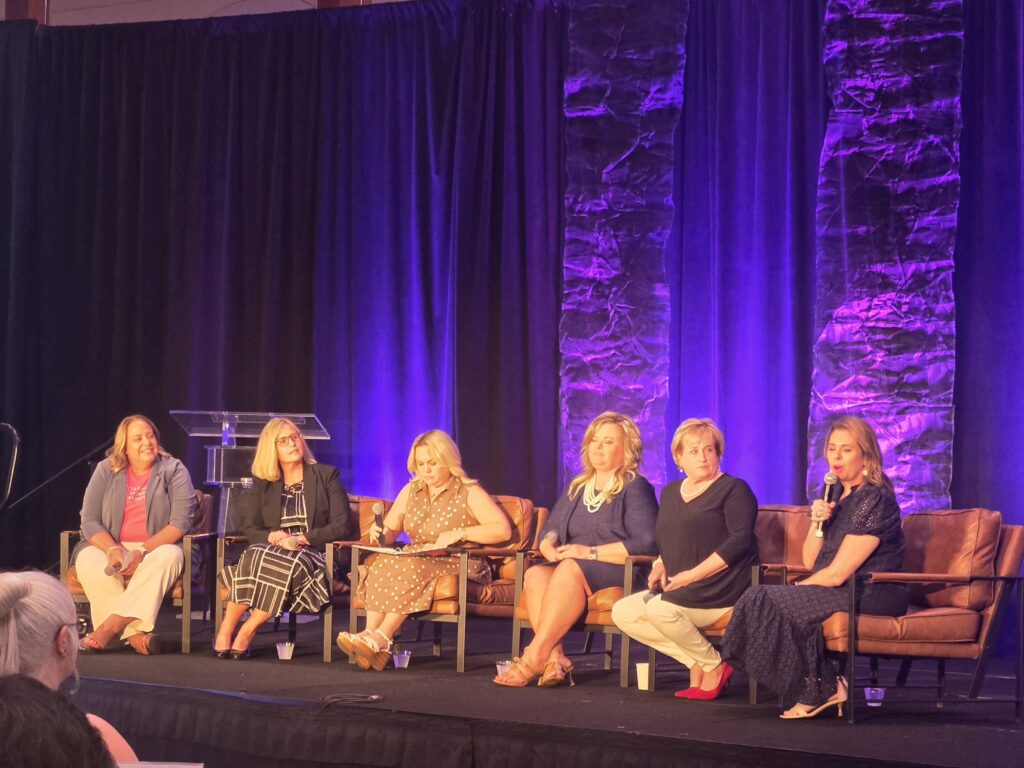
Another amazing highlight was the Women at the Cabinet Table panel featuring Karla Eslinger (DESE), Michelle Hataway (DED), Val Huhn (DMH), Angela Nelson (DCI), and Sarah Willson (DHSS).
Listening to women who have led departments, advised governors, served in the legislature, and helped shape public policy was both inspiring and practical. They spoke candidly about leadership, service, and the responsibility that comes with both. I was especially inspired by their discussion about how many in the room were the first women to be allowed voices at certain tables, and how we are obligated to ensure that we are not the last.
Near the end of the conference, I had the opportunity to ask the final audience question.
I asked the group of panelists “Who was the woman in your life who motivated you?”
One by one, they answered.
Nearly every woman immediately credited her mother. One credited her grandmother.
I don’t think I expected that, but I should have. Leadership rarely begins in a boardroom.
It begins at home.
Long before someone earns a title, another woman often helps shape the confidence, resilience, and character that make leadership possible for her.
5. My Biggest Takeaway
I came to the Missouri Chamber Women in Leadership Conference expecting to learn from accomplished leaders. And I certainly did.
But I also left with a renewed appreciation for something I believe every day in my own business:
The best leaders create systems that help other people succeed.
Whether leadership for you is organizing a conference or directing a state agency, negotiating a business deal, volunteering in your community, or helping a small business owner gain confidence in their finances, remember that thoughtful systems reduce stress, create clarity, and allow people to focus on what matters most.